Argentina
Best of Buenos Aires 3-Day Walking Tours
La Boca Shared Walking Tour · Recoleta Cemetery Shared Walking Tour · Palermo Graffiti Shared Walking Tour
From
US$39
≈ €34 · billed in US$ ≈ £29 · billed in US$ per person
 Lati Travel
 In short
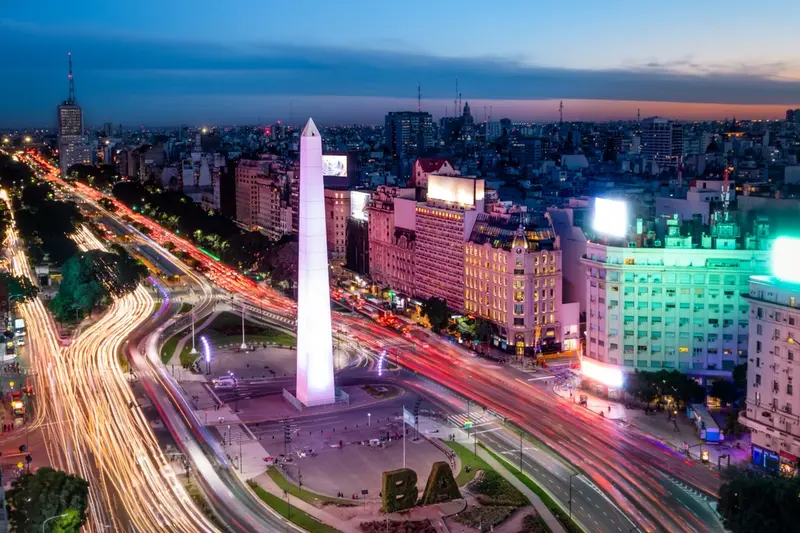
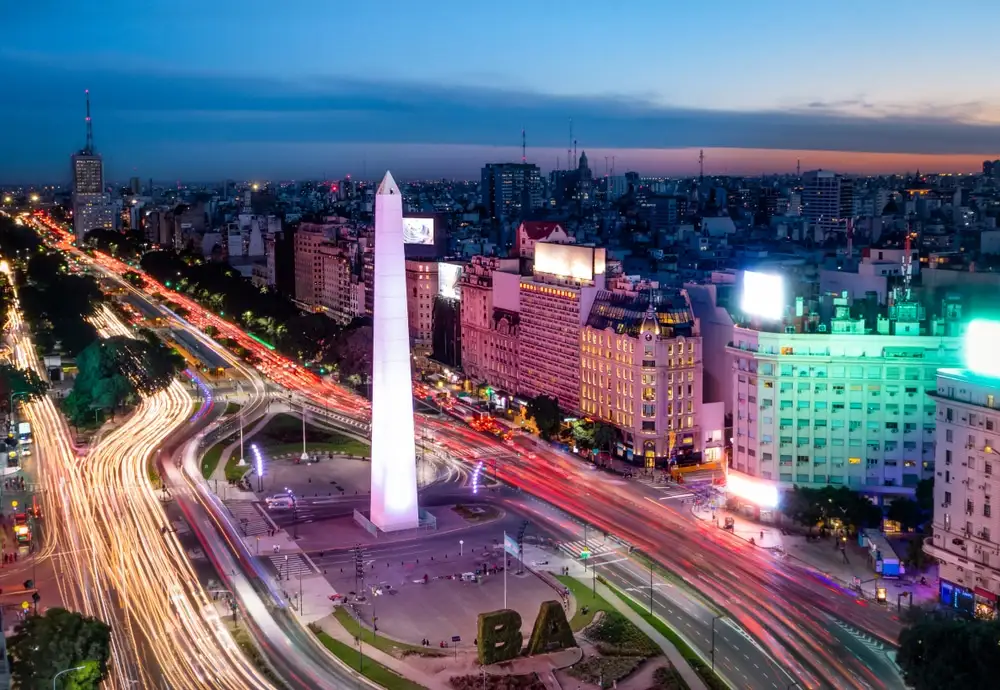
Buenos Aires is the capital of Argentina and the way most visitors enter the country: European avenues and Latin American street life on the Río de la Plata. Three days covers the centre, San Telmo and La Boca. Five adds a football match, a tango night and a day on the pampas.
The city sits on the west bank of the Río de la Plata, and almost everything a visitor wants is in a band of neighbourhoods a few kilometres deep along it. That matters for planning: Buenos Aires is large, but the part you will walk is not, and the distances that catch people out are the ones to the airports rather than the ones between sights.
There are two of those airports and they are not interchangeable. Ezeiza (EZE) takes the long-haul flights and sits 32km out. Aeroparque (AEP) handles domestic and regional traffic and is about 2km from the centre, on the Costanera in Palermo. An itinerary that arrives internationally and connects to Bariloche or Iguazú is almost certainly moving between the two, which is 40 to 60 minutes by car in normal traffic.
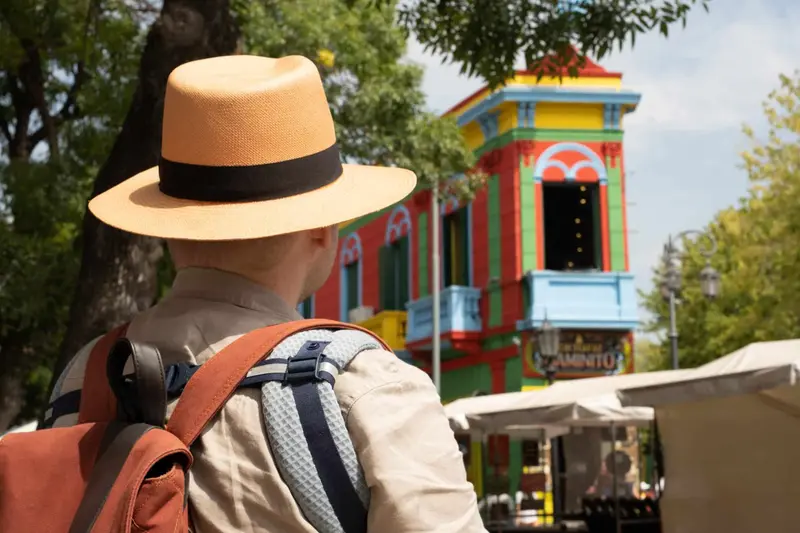
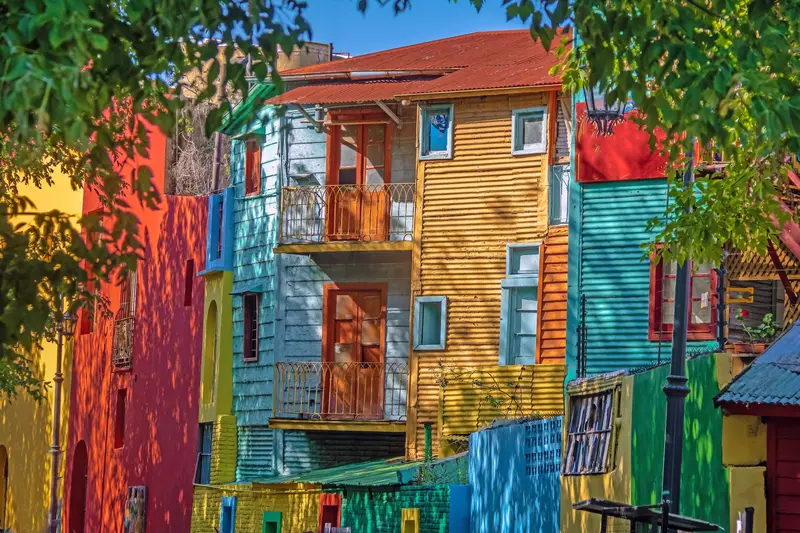
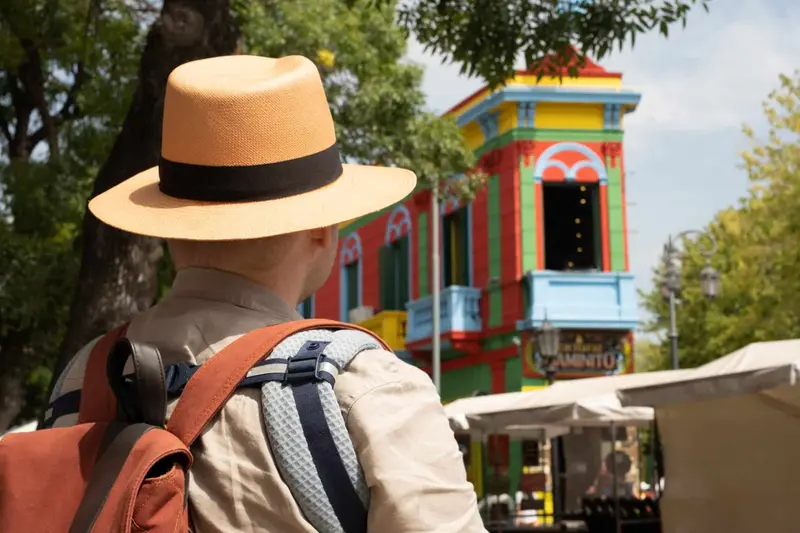
The neighbourhoods do different jobs and are worth choosing between rather than collecting. San Telmo is the oldest part, cobbled and dense, and it is where the tango dinner shows are. Recoleta is quieter and holds the cemetery. La Boca has Caminito and La Bombonera. Palermo is the largest and is where the restaurants and the bars are, which is also why it is where most visitors sleep. The night runs about three hours later than most arrivals expect, and that single fact reshapes a first evening more than any choice of neighbourhood.
Per person, including hotels, transfers and the guided days each trip lists. International flights are never included.
La Boca Shared Walking Tour · Recoleta Cemetery Shared Walking Tour · Palermo Graffiti Shared Walking Tour
Buenos Aires
Buenos Aires
Buenos Aires
Buenos Aires
Buenos Aires
| Package | Length | Price p/p | |
|---|---|---|---|
| Best of Buenos Aires 3-Day Walking Tours | 3 days | US$39 | Book |
| 3-Day Buenos Aires Budget Tour Package | 3 days | US$140 | Book |
| Best of Buenos Aires 3 Day Tour Pakcage | 3 days | US$425 | Book |
| Buenos Aires, Salta & Jujuy 10 Day Tour Package | 10 days | US$533 | Book |
| Buenos Aires Traditional 5 day tour package | 5 days | US$535 | Book |
| Buenos Aires & Iguazu Falls 9 Day Tour Package | 9 days | US$1,957 | Book |
No package matches that search.
Yes. Buenos Aires is the capital and largest city of Argentina, and it is an autonomous district in its own right rather than part of the surrounding province, which is also called Buenos Aires. That is why addresses distinguish the city, CABA, from the province.
Three covers the centre, San Telmo and La Boca at a reasonable pace. Five is the number that fits a football match, a tango night and a day out of the city without moving anything to a rushed morning.
March to May and September to November. The city runs a four-season year on the reversed calendar, so January is high summer and averages 25.2°C, and July is winter at 11.5°C. Rain spreads fairly evenly across the year rather than concentrating in a wet season.
Palermo for food and bars, Recoleta for a quieter classic base, San Telmo if you want the markets and tango on your doorstep. All three are walkable and well connected to the centre.
The crime that affects visitors is opportunistic theft rather than anything violent, and it concentrates in the crowded places any large city has. Phone away on the street, a booked car late at night, and the ordinary attention you would give any capital.