3 days · Buenos Aires · Argentina
Explore Buenos Aires on foot with this affordable 3-day package, designed to discover the city’s main historical, cultural, and central highlights.
An affordable 3-day walking package for travelers who want to cover the historic center, La Boca and Recoleta on foot.
Over three days, you will walk through the heart of Buenos Aires, visiting its main landmarks, traditional neighborhoods, historic streets, and cultural highlights. It suits anyone who wants the city on foot and cheaply: the architecture, the history, and how it lives day to day.
The package includes accommodation and guided walking tours, making it a practical and budget-friendly option for travelers who want to experience Buenos Aires without missing its most important sights. From historic squares and emblematic avenues to cultural corners and classic city landscapes, this itinerary offers a complete introduction to Argentina’s capital.
- Length
- 3 days
- Difficulty
- Easy
- Guide
- Spanish / English
- Departs
- every day
Itinerary
Day by day
-
Day 1
Day 1: Buenos Aires City Center Walking Tour
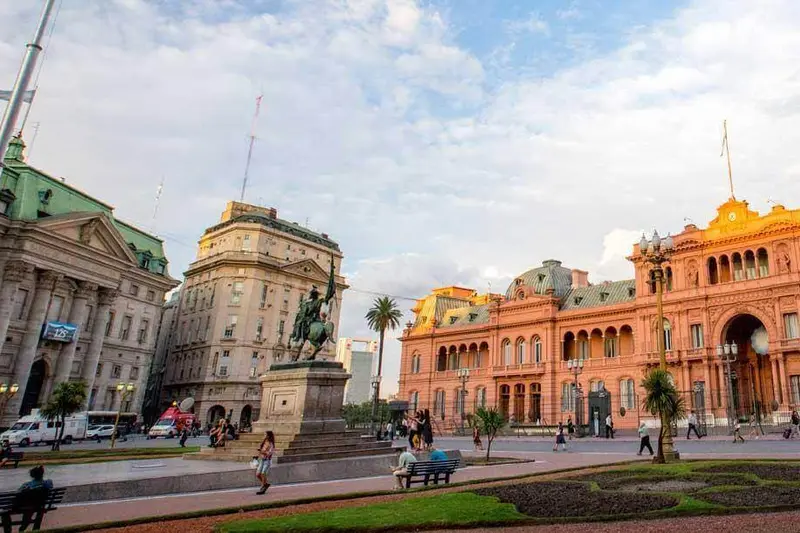
- The tour begins in Plaza de Mayo, Buenos Aires’ most historic square and the political and cultural heart of the city. The country's main civic landmarks are on this square, which is why the walk starts here.
- From there, the walk continues to Casa Rosada, the famous pink Presidential Palace. During this stop, travelers will admire one of the city’s most recognizable buildings and learn about its political importance and its role in Argentina’s history.
- The experience then continues with a visit to the Buenos Aires Metropolitan Cathedral, one of the most important religious sites in the city, known for its architecture, historical value, and connection to Argentina’s national identity.
- Next, travelers will pass by the Cabildo, one of the few remaining colonial buildings in Buenos Aires. This stop offers a look into the city’s colonial past and the events that led to Argentina’s independence.
- The walking tour continues along Avenida de Mayo, one of Buenos Aires’ most historic avenues. This area connects the old and modern parts of the city through its architecture, traditional buildings, cafés, and cultural landmarks.
- Along the way, the tour passes Café Tortoni. From the outside, travelers will discover its connection to writers, artists, intellectuals, and the cultural life of Buenos Aires.
- The route then reaches the Obelisk and Avenida 9 de Julio, two of the most famous symbols of the city. This stop allows visitors to experience the scale and energy of Buenos Aires while standing on one of the widest avenues in the world.
- The tour continues near Teatro Colón, one of the most prestigious opera houses in the world and a major symbol of the city’s cultural heritage. Its architecture and international reputation make it one of the most important highlights of the walk.
- Afterward, travelers will pass by Palacio Libertad, the former Central Post Office, an impressive historic building that reflects Argentina’s institutional and cultural transformation.
- The experience ends at Puente de la Mujer, in Puerto Madero, one of the most modern areas of Buenos Aires. The pedestrian bridge across the old dock is the last stop, and the newest thing on the route.
- (Hotel Night in Buenos Aires City Center or Recoleta Neighbourhood)
-
Day 2
Day 2: La Boca Neighbourhood Walking Tour
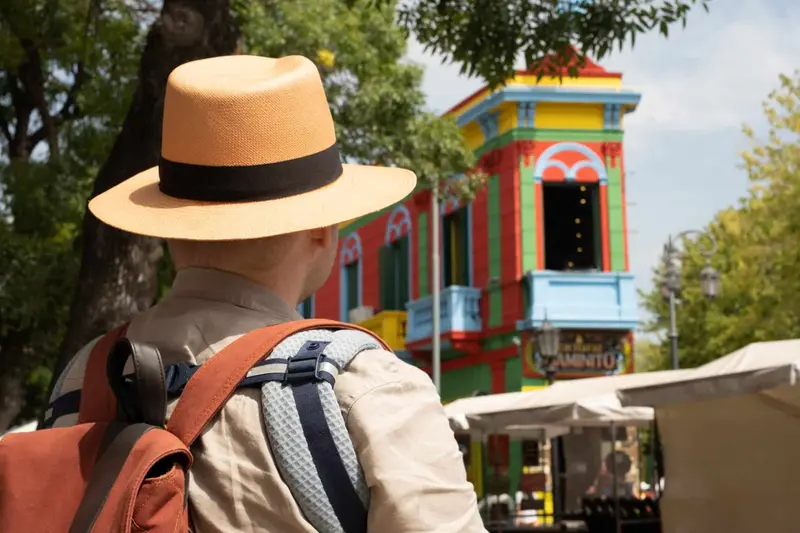
- The tour begins in La Boca, at Caminito, the most photographed street in Buenos Aires. Here, travelers will meet their guide and receive an introduction to the history of this unique neighborhood, known for its strong immigrant roots, artistic spirit, and deep connection to the identity of the city.
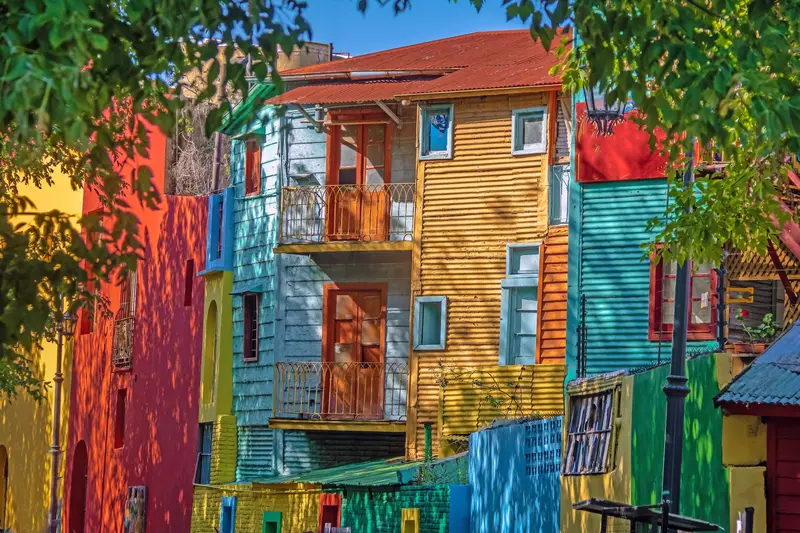
- From there, the walk continues through Caminito and its colorful conventillos, the traditional houses that reflect the European immigrant heritage of the area. As travelers explore this open-air street museum, they will discover how La Boca’s architecture, colors, and local traditions helped shape one of the most distinctive cultural landscapes in Buenos Aires.
- The second half is about tango: where the music and the dance started, in this neighborhood. Along the way, travelers may observe street performances, artistic expressions, and everyday scenes that show how tango remains part of the atmosphere and cultural life of La Boca.
- The tour continues through streets filled with Fileteado artwork and urban murals, two important forms of Argentine popular art. Travelers will learn about the meaning, style, and history behind these visual expressions, which bring color, movement, and identity to the neighborhood.
- Next, the walk reaches Firefighters’ Square, a symbolic landmark in La Boca. This stop offers the opportunity to learn about the volunteer firefighters and their important role in the community, as well as the stories that connect this place with the neighborhood’s local pride and collective memory.
- The route then moves toward the Boca Juniors area and the surroundings of La Bombonera, one of the most legendary football stadiums in Argentina. Here, travelers will discover how football is deeply connected to the identity of La Boca and how Boca Juniors became a symbol of passion, belonging, and popular culture.
- Throughout the walk, the guide will also share hidden stories about immigration, daily life, the Riachuelo port, local artists such as Benito Quinquela Martín, and the transformation of La Boca into one of Buenos Aires’ most important cultural icons. The experience ends near La Bombonera, offering a complete perspective of a neighborhood where history, art, tango, and football come together.
- (Hotel Night in Buenos Aires City Center or Recoleta Neighbourhood)
-
Day 3
Day 3: Buenos Aires Walking Tour: Recoleta, Retiro & Cemetery Experience
- The tour begins next to Teatro Colón, one of the most important opera houses in the world. From this meeting point, travelers will be introduced to the city’s European influence, architectural heritage, and historical evolution.
- From there, the walk continues through Plaza Lavalle and the surrounding historic district, an important civic area surrounded by cultural, judicial, and institutional buildings. This part of the tour offers insight into Argentina’s political and cultural development while exploring one of the city’s most elegant central areas.
- The experience then continues to Templo Libertad, the oldest synagogue in Buenos Aires and an important symbol of the city’s Jewish heritage. This stop allows travelers to learn about the diverse immigrant communities that helped shape Buenos Aires and its cultural identity.
- Next, the tour crosses Avenida 9 de Julio, one of the widest avenues in the world and one of the most recognizable urban landmarks in the city. This moment gives travelers a sense of the scale, rhythm, and energy of Buenos Aires as they move from the central area toward Retiro.
- The walk then reaches Plaza San Martín and the Retiro district, one of the most refined and historic areas of the city. Surrounded by monuments, green spaces, and elegant buildings, this stop offers a deeper look into Argentina’s independence history and the aristocratic past of Buenos Aires.
- From Retiro, the route continues through the elegant streets of Alvear and Arroyo, known for their embassies, former mansions, and refined architecture. This part of the tour reflects the city’s golden age, when Buenos Aires became known for its European-style boulevards, palaces, and upper-class residences.
- The route then moves into Recoleta. Travelers will walk through an area known for its green spaces, cultural atmosphere, historic architecture, and local charm, including the surroundings of Plaza Francia.
- The tour ends with a guided visit to Recoleta Cemetery, one of the most fascinating cemeteries in the world. Through its grand mausoleums, sculptures, and hidden stories, travelers will discover the legacy of some of Argentina’s most influential figures and understand why this landmark is considered an open-air museum of history, art, and memory.
What's included
- English speaking tour guide
- Hotel nights (see Know before you go)
Not included
- Cementery entrance fee - 24.000 argentine pesos
- Airport Transportation
- Meals and Beverages
- Personal travel insurance
- Gratuities
What to bring
- Valid Passport
- Comfortable walking shoes
- Sunglasses and sunscreen
- Proper Clothing
- Camera or smartphone for photos
- Water bottle
- Cash or card for extras
Know before you go
- The tour dates depend on the supplier's availability. Once you complete the payment for the package, you will receive the final itinerary by email.
- The number of hotel nights is included, and transportation can be selected as an additional service.
Meeting point
Buenos Aires
Frequently asked
How much does it cost?
US$140 per person. The price on the card is the whole price.
How long does it take?
3 days.
What's included?
English speaking tour guide, Hotel nights (see Know before you go).
What's not included?
Cementery entrance fee - 24.000 argentine pesos, Airport Transportation, Meals and Beverages, Personal travel insurance, Gratuities.
Keep exploring