
Practical · 8 min · · by Carla Quispe
Cusco and Machu Picchu in 5 days without altitude sickness
Short answer
How do you avoid altitude sickness in Cusco?
Sleep your first night lower than Cusco if the flights allow it, because altitude sickness is driven by the elevation you sleep at. The Sacred Valley is about 600 m below the city and inside the band the CDC recommends for staging. Machu Picchu is lower again. Cusco is the high point of this trip, not its front door.
What this guide covers
- The acclimatisation order that works
- Train options to Aguas Calientes
- Machu Picchu ticket circuits explained
- What to pack for 3,400m
- Cost breakdown per person
Key Takeaways
- Altitude sickness is about the elevation you sleep at, not how fit you are. The CDC is explicit that sleeping high is what produces the trouble, and that day trips up and back are much easier on the body.
- Cusco is 3,400 m. The Sacred Valley is around 2,800 m. Machu Picchu is 2,430 m. The famous part of this trip is the lowest part of it.
- Machu Picchu now runs three circuits and ten routes, and your ticket names one of them. You choose the route when you buy, not at the gate.
- You cannot arrive in Machu Picchu Pueblo and enter the sanctuary the same day. The night in town is a rule, not a preference.
Why altitude sickness decides the shape of this trip
Most people plan Cusco around the ruins and treat the altitude as something to get through. It works the other way round. The altitude decides which order the ruins go in.
The numbers are not marginal. Altitude illness becomes a risk for anyone going above 2,500 m (8,000 ft), and Cusco sits nearly a kilometre above that line. Fitness does not protect you. Neither does age, in either direction.
What does help is time and elevation. The CDC’s own Yellow Book puts acute acclimatisation at 3 to 5 days, and the guidance is to spend the first of them between 2,500 m and 2,750 m before going higher. Above 2,750 m the advice is to raise your sleeping elevation by no more than 500 m (1,600 ft) a day.
Flying from Lima to Cusco breaks that rule in ninety minutes. You cannot undo the flight, but you can choose where you sleep after it.
The order that beats altitude sickness: sleep low first
If your flights allow it, drive down to the Sacred Valley the afternoon you land and sleep there. It is about 600 m below Cusco, which puts you close to the staging band rather than a long way above it. Then come back up to Cusco later in the week, when your body has had three or four days.
This is the opposite of the standard itinerary, which parks you in a Cusco hotel on night one because that is where the airport is. The standard itinerary is why so many trips lose a day.
If you have to start in Cusco
Sometimes the flight lands late, or the hotel is booked, or the group is already there. Then day one has one job: nothing remarkable.
Walk the Plaza de Armas and San Blas on the flat. Skip the alcohol. Drink more water than feels reasonable. Eat lightly, and eat early. If you want the coca tea every hotel puts in the lobby, have it; it is a local habit rather than a treatment, and it does no harm.
What not to do on day one: Rainbow Mountain, Humantay, or anything with a trailhead. Those sit above 4,000 m and they are the single most common way a Cusco trip goes wrong on its second morning. Save them for the end, and read the Rainbow Mountain guide before you commit to one.
Five days that hold
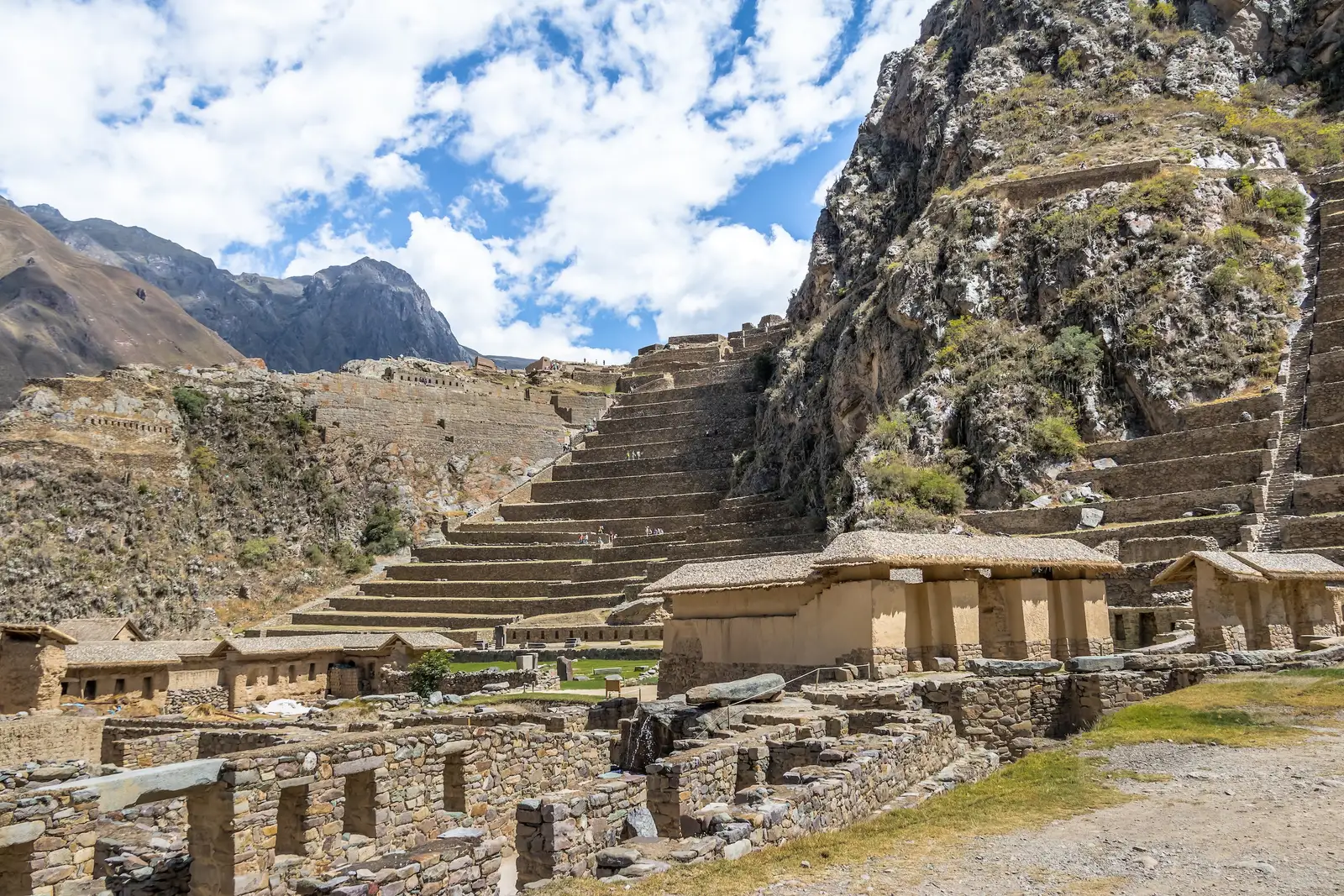
Day 1. Land, transfer straight down to the Sacred Valley, do nothing. Ollantaytambo or Urubamba both work as a base.
Day 2. The valley itself: Pisac, Ollantaytambo, lunch in Urubamba. Seven to eight hours, all of it below Cusco.
Day 3. Train to Aguas Calientes in the afternoon, night in town. This is the rule, not a soft recommendation, and the next section explains it.
Day 4. Machu Picchu on the first buses, then the train back to the valley or up to Cusco.
Day 5. Cusco itself, on foot, now that you are acclimatised. San Blas, the cathedral, Sacsayhuaman above the city.
Our 5-day Cusco and Machu Picchu package runs this order, with the transfers and the train already booked. If you only want the sanctuary day, the full-day Machu Picchu tour by train does it from Cusco and back.
Machu Picchu tickets: three circuits, ten routes
The sanctuary stopped selling a general entry ticket. Since June 2024 it sells three circuits, grouping ten routes, and your ticket names the one you walk. Circuit 1 is the panoramic route, Circuit 2 the classic one that reaches the postcard viewpoint, Circuit 3 the lower royal route.
Capacity is capped and published. In high season the sanctuary admits up to 5,600 people a day, and a share of that is held back for the ticket office in town rather than sold online.
Two things follow from this. Book the circuit you actually want, weeks ahead, because Circuit 2 goes first. And buy from machupicchu.gob.pe, which is the only official seller; everything else is a reseller adding a margin, and some of them are selling a circuit they cannot guarantee.
The rule that changes the itinerary is this one: you cannot buy a ticket and enter on the same day you arrive in Machu Picchu Pueblo. You need the night in town. Any five-day plan that skips it is a four-day plan with a problem.
The train, and what the ticket does not cover
Trains to Aguas Calientes leave from Ollantaytambo, not from Cusco, for most of the year. The journey takes about 1 hour 45 minutes through the cloud forest, on either the Expedition or the Vistadome service.
PeruRail states it plainly on its own site, and it is the detail that catches people out: the train ticket does not include entry to the archaeological site. They are two separate purchases, from two separate places, and both are dated.
What to pack for 3,400 m
Sun, not cold, is the thing people underpack for. At this elevation the sun burns through cloud and through a hat brim.
- High-factor sunscreen and a wide hat, for the valley days as much as the sanctuary.
- Layers rather than a coat. Cusco swings from cold morning to hot midday to cold night, every day of the year.
- Shoes with grip. Ollantaytambo and the Machu Picchu circuits are stone, and stone in the cloud forest is wet.
- A refillable bottle. Drinking more is the one piece of altitude advice that costs nothing.
What it costs, roughly
The five-day package runs from US$870 per person, and the standalone Machu Picchu day from US$420. Outside a package, the three big line items are the train, the entry ticket and the bus up from Aguas Calientes, and none of the three discounts.
For the wider picture of the region, the Machu Picchu place guide covers what else fits around the sanctuary, and the Cusco guide covers the city on its own.
Places in this guide
Frequently asked
How many days do you need for Machu Picchu from Cusco?
Minimum three, five is comfortable: two to acclimatise, one for the Sacred Valley, one for Machu Picchu, one spare.
Should you book Machu Picchu tickets in advance?
Yes: circuits and entry times sell out weeks ahead in high season, and the ticket is tied to a named circuit.
Is the train or the trek better?
The train if you have five days; the Inca Trail needs at least seven and a permit booked months out.
Can you arrive in Machu Picchu Pueblo and visit the same day?
No. The sanctuary's own rules require you to stay at least one night in the town before entering, so a night in Aguas Calientes is part of the itinerary, not an extra.