
Practical · 8 min · · by Carla Quispe
The best time to visit Peru: month by month, by region
Short answer
What is the best time to visit Peru?
The best time to visit Peru depends on which Peru: May to September is dry and clear in the Andes, which is why it is high season at Machu Picchu. December to March is wet in the mountains and the best window on the coast. The Inca Trail closes for the whole of February.
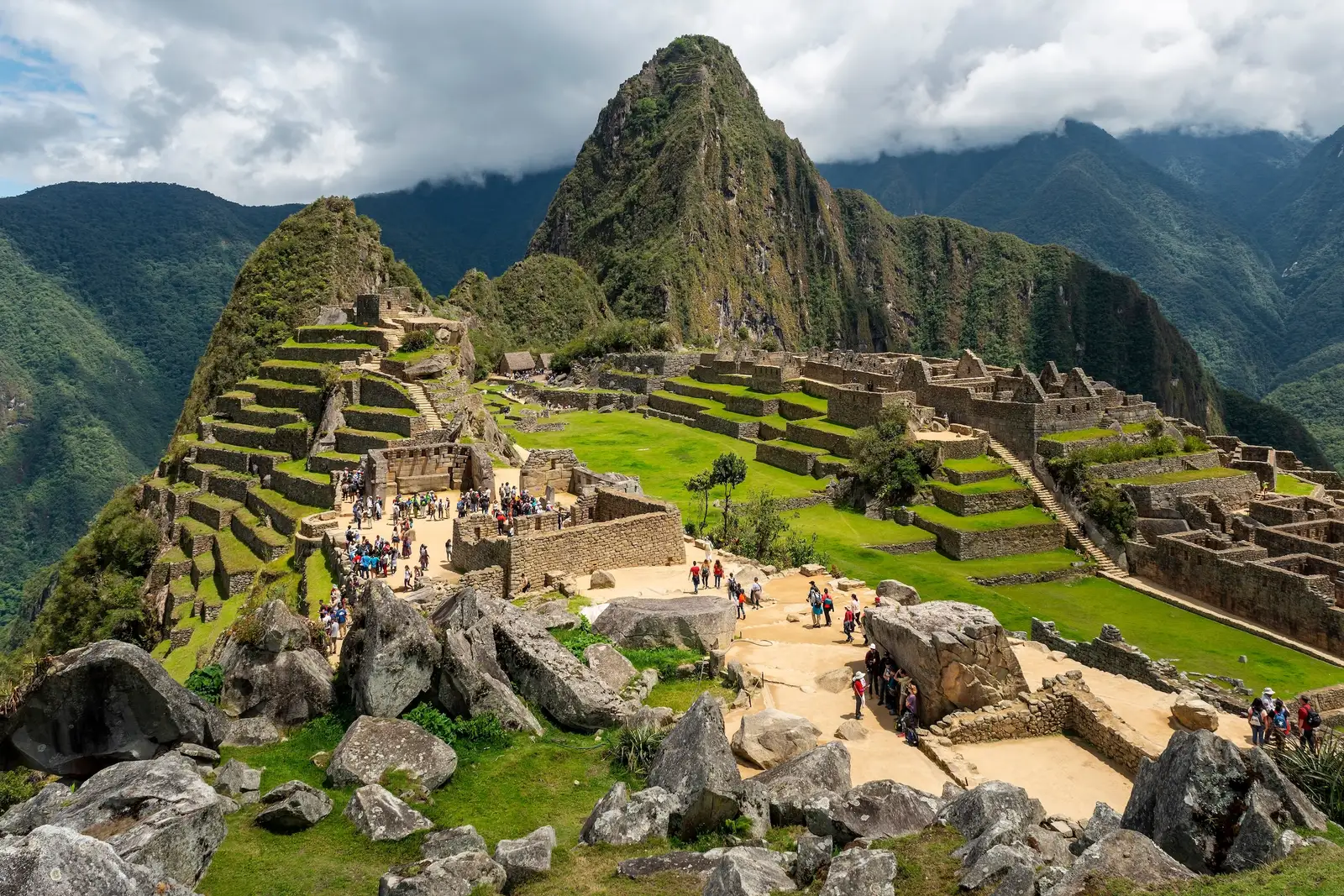
What this guide covers
- The three Perus: coast, Andes and Amazon have opposite seasons
- The best time to visit Cusco, month by month
- When the Inca Trail closes and why
- Shoulder months: April and October
- What the seasons do to prices
- Altitude and weather: what to pack for 3,400 m
Key Takeaways
- Peru has three climates that run on different calendars. Choosing a month means choosing which of them you want to be right.
- May to September is dry in the Andes and grey on the coast. December to March is the reverse.
- The Inca Trail closes for the whole of February, every year, for maintenance. Machu Picchu itself stays open.
- April and October are the two months most people should book: dry enough, and outside the state’s own definition of high season.
The best time to visit Peru depends on which Peru
Almost every “best month” answer you will read is about Cusco, and Cusco is one of three countries inside this one.
The Andes have a dry season and a wet one, and they are pronounced. The coast has cloud, not rain, and its cloud arrives when the mountains clear. The Amazon is wet all year and wetter for half of it.
A two-week trip usually touches at least two of the three. That means the honest answer is not a month, it is an order: pick the region you care most about, get its season right, and accept the second-best conditions somewhere else.
The best time to visit Cusco, month by month
May to September: dry, clear, and full
This is the season the photographs come from. Mornings are cold and bright, afternoons are warm, and rain is the exception rather than the daily event.
It is also when the state itself expects the crowds. From 1 June the sanctuary lifts its daily limit to 5,600 people, and the popular circuits sell out weeks ahead. June and July are the peak inside the peak, because they collide with the northern summer and with Inti Raymi.
Book the entry ticket before the flights if you are travelling in these months. It is the only part of the trip that can sell out entirely.
November to March: wet, green, and quiet
Afternoon rain is close to daily and January and February are the wettest. Mornings, though, are often clear, and the difference in crowds is not marginal: the same walkways that shuffle in July are empty in February.
The risk is specific and it is worth naming. You are not risking a wet trip, you are risking cloud on the one morning you hold a ticket for. That is an argument for a spare day rather than an argument against the season.
Trains keep running through the wet months, and the Ollantaytambo service still takes about 1 hour 45 minutes, but landslides do close the line occasionally. A day of slack in the itinerary covers both problems at once.
April and October: the two months to aim for
The shoulder months get the dry season’s mornings and the wet season’s prices. Green landscape, thinner queues, and ticket availability that does not need to be planned around.
If you have no reason to travel in a specific month, travel in one of these two.
The February closure nobody plans for
The Inca Trail network shuts for the whole of February. Not a risk, not weather-dependent: a scheduled closure that the Ministry of Culture has run every year since 2002, for drainage work and to let the ground recover.
The Cusco culture directorate publishes it each year, and it covers the trail network and the eighteen archaeological sites along it.
Machu Picchu itself stays open. So a February trip is not cancelled, it is a train trip rather than a trek. If the trek is the reason you are going, February is the one month to rule out.
What the seasons do to prices
Hotels, trains and guides all price on the May-to-September window, and the gap between high and low season is large enough to change the shape of a trip.
November is the cheapest month with acceptable weather. February is cheaper still, aside from Carnival, and comes with the trail closed.
Our 5-day Cusco and Machu Picchu package runs year round, and the difference between booking it for July and for November is availability more than anything else.
The best time to visit Peru for the coast and the Amazon
The coast runs backwards from the mountains. Lima is grey and cool from roughly May to November, under the sea fog that locals call the garúa, and sunny from December to March. That is the same December-to-March window that is wet in Cusco.
The best time to visit Lima
Lima’s year is the inverse of Cusco’s: grey and cool from May to November under the coastal cloud the city calls the garúa, and bright from December to March. If the trip lands in the Andean high season, plan Lima as a short stop rather than a beach stay.
So a trip built around Lima food, Huacachina and the desert wants the opposite months from a trip built around Machu Picchu. Two weeks in January gets you a good coast and a wet Andes; two weeks in July gets you the reverse.
The Amazon is simpler than its reputation. It rains all year. High water, roughly December to May, means more river access by boat and fewer walking trails. Low water means the opposite.
Altitude, and what it does to your packing
Whichever month you choose, the mountains are the mountains. Altitude illness becomes a risk for anyone above 2,500 m (8,000 ft), and Cusco sits at 3,400.
The dry season is colder than people expect at night and hotter than they expect at midday, which makes layers non-negotiable rather than sensible. The wet season is milder in both directions but you will be wet at some point every day.
Both seasons need the same two things: high-factor sunscreen, because the sun at this elevation burns through cloud, and shoes with grip, because Inca stone is polished and often damp.
For the order to do it in, and why the Sacred Valley is the better first night whatever the month, see Cusco and Machu Picchu without altitude sickness. For the region itself, the Sacred Valley guide covers what fits around the sanctuary.
Places in this guide
Frequently asked
What is the rainy season in Cusco?
December to March, with January and February the wettest. The ruins stay open and the landscape is at its greenest, but afternoon rain is close to daily and the Inca Trail closes for the whole of February.
Is Machu Picchu worth visiting in the rainy season?
Yes, with a spare day. Mornings are often clear and the site is far less crowded; the risk is cloud on the one day you booked, which is why the wet months are exactly when an extra day pays for itself.
When is the best time for the Peruvian coast?
December to March — the opposite of the Andes. Lima is grey and cool from May to November, which is the same window that is perfect in Cusco.
Which are the cheapest months to visit Peru?
November, and February aside from Carnival. Prices for hotels and trains fall outside the May-to-September high season, and availability at Machu Picchu stops being a problem.